
Most men who want to dress better get stuck in the same place. They open their closet, stare at a pile of clothes, and feel like nothing works together. They scroll through social media, see guys who look effortlessly put together, and wonder what they know that everyone else doesn’t. The truth is simpler than you might think. Looking good does not require a huge budget, a closet full of designer labels, or an encyclopedic knowledge of fashion history. It requires a few basic principles that, once you understand them, make getting dressed each morning remarkably easy.
This guide is written for the man who wants to look sharp but has no idea where to start. No jargon. No complicated rules. Just practical advice you can use immediately.
Why Fit Matters More Than Anything Else?
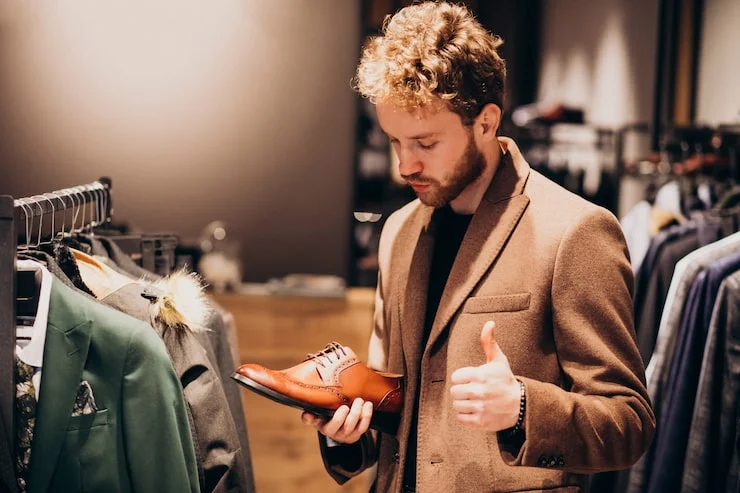
If you take only one thing from this entire guide, make it this: fit is everything. A cheap shirt that fits your body properly will always look better than an expensive shirt that doesn’t. This is the single highest-return change you can make, and it costs nothing more than paying attention when you try clothes on.
Most men wear clothes that are too big. They buy their usual size, assume it fits, and never question it. But clothing sizes vary wildly between brands, and the same size from two different stores can fit completely differently. The solution is to ignore the number on the tag and focus on how the garment actually sits on your body.
Here is what to look for. On a shirt or jacket, the shoulder seam should sit right at the edge of your actual shoulder. Not hanging off your arm, not pulled tight across your back. It should rest exactly where your shoulder ends. If the shoulder seams droop down your arm, the garment is too big. If they pinch inward, it is too small.
For pants, the waist should sit at your natural waist or just below it, depending on the style. You should have enough room to move comfortably, but not so much that the fabric bunches up when you wear a belt. The hem should break slightly over your shoe or sit just above it. A good pair of pants does not pool around your ankles or drag on the ground.
T-shirts should skim your torso without clinging to it. If you can see every contour of your midsection, it is too tight. If there is enough extra fabric to grab a fistful, it is too big. The sweet spot is close enough to show your general shape without looking like a second set of skin.
If you have clothes you already like that do not fit perfectly, a tailor can fix most issues for a reasonable cost. Hemming pants, taking in a shirt, or shortening sleeves typically costs between ten and twenty-five dollars per alteration in most markets. This is often a better investment than buying new men's fashion tips for beginners.
You May Also Like: 1980s Men's Hair Fashion: The Ultimate Guide to Iconic 80s Hairstyles for Men
Building a Starter Wardrobe That Actually Works
The mistake most beginners make is buying random pieces they like without thinking about how those pieces will work together. You end up with a closet full of clothes but nothing to wear. The fix is to build a foundation of versatile basics that all coordinate with each other.
Start with a well-fitted pair of dark jeans. Avoid distressed or acid-washed styles, which come and go in popularity. A clean, dark wash works with sneakers, boots, or dress shoes and is one of the most versatile items you can own. Straight-leg denim is a safe choice that has staying power.
Plain t-shirts in white, black, navy, and grey form the base layer that everything else builds on. Spend a little more here than you would on bargain bin basics. A t-shirt with a heavier fabric weight and a neckline that holds its shape through washing will look noticeably better than a thin, cheap alternative that stretches out after a few wears.
A button-down oxford shirt in white or light blue is another essential. It works with jeans, chinos, or dress pants. You can wear it tucked or untucked, with the sleeves rolled or buttoned. It is one of the most flexible items in a wardrobe and can fit into almost any setting. The oxford-cloth button-down is so versatile that it has become a staple recommendation for men at every level of style experience.
For layering, add a crewneck sweater in navy, grey, or another neutral color. Merino wool is a practical choice because it offers warmth without bulk and works across multiple seasons. A sweater can be worn over a shirt, under a jacket, or on its own with trousers or jeans.
A casual jacket is your third piece, the item that takes an outfit from basic to considered. A trucker jacket, field jacket, or Harrington style works well for most casual situations. Neutral colors like navy, olive, or tan make it easy to pair with the rest of your wardrobe.
For footwear, you really only need three or four pairs to cover almost every situation. A pair of clean, minimal sneakers in white or a neutral color. A pair of leather or suede boots. A pair of loafers or clean dress shoes. And a dedicated pair of athletic shoes for the gym or outdoor activities. Shoes get noticed more than most men realize, so it is worth investing in quality here.
Understanding Color Without Overcomplicating It
Color coordination is one of those things that feels intimidating until you understand a few simple principles. You do not need to become a color theory expert. You just need to avoid combinations that clash and understand how neutrals work.
Neutrals are the backbone of any wardrobe. Black, white, grey, navy, and earth tones like olive, tan, and brown pair well with almost everything. If your basics are built in these colors, adding a bolder piece works because the rest of the outfit is not competing for attention.
The easiest way to introduce color is to follow what some stylists call the one-piece rule. Keep about eighty percent of your outfit neutral and let one piece bring the color. If you are wearing blue jeans and a white t-shirt, throw a burgundy overshirt over the top. If you are wearing a navy suit, swap the white shirt for a pale pink or light blue one.
Earth tones are a low-risk entry point if you want to add something beyond basic neutrals. Think rust, terracotta, forest green, burnt orange, and deep brown. These colors behave like neutrals in the sense that they pair easily with almost anything, but they add depth and interest that a plain navy or grey cannot provide.
If you are unsure whether a color works for you, hold it up to your face in natural light. The right color will brighten your eyes and skin. The wrong one will make you look tired or washed out. Take a few selfies in different colors and compare them side by side. The good ones will jump out immediately.
Common Mistakes That Hold Beginners Back

Even men who understand the basics of fit and color often fall into a few common traps. Avoiding these will put you ahead of most people.
The first mistake is buying clothes that are too tight because you think it looks better. Muscular men in particular tend to assume that tight clothing will accentuate their physique. In reality, tight clothing creates horizontal creases across your back and pulls at the buttons, which looks strained rather than sharp. A garment should follow your shape without gripping it.
The second mistake is treating every style rule as absolute. You will read that navy and black should never be worn together, or that brown and black are forbidden. In practice, these combinations work fine when done intentionally. The only real rule is that the outfit should look deliberate rather than accidental.
The third mistake is spending too much on statement pieces before you have a solid foundation. A bold patterned jacket or a bright pair of shoes is useless if you do not have the basics to support them. Build your foundation first, then add personality.
The fourth mistake is ignoring your shoes. Many men treat footwear as an afterthought, but shoes are one of the first things people notice. A great outfit with beat-up shoes looks worse than a simple outfit with clean, well-maintained men's fashion tips for beginners.
Read: Wrangler Denim Jacket With Inner Pockets Mens
Where to Spend and Where to Save?
You do not need to spend a lot of money to dress well, but you do need to spend wisely. Some items are worth investing in, while others can be bought affordably without much difference in quality.
Spend more on shoes, knitwear, and outerwear. These are the items where quality shows most clearly and where cheap versions tend to look cheap. Full-grain leather shoes age well and look better over time, while corrected-grain leather does not. Cheaper knitwear pills and stretches out because it is made from shorter fibers. A good coat or jacket elevates everything underneath it.
Save on t-shirts, casual shirts, and pants. You can find good quality in these categories without spending a fortune, especially if you shop sales or secondhand. Jeans in particular are widely available on the secondhand market in many different cuts, making it easy to find something that fits well without paying full price.
The exception is tailoring. If you find a suit or blazer that fits you well in the shoulders, it is worth paying for alterations to make the rest of the garment fit properly. Shoulders are the one thing a tailor cannot easily change, so if that part fits, everything else can be adjusted.
Putting It All Together
Getting dressed well is not about following a long list of rules or copying what you see on runways. It is about understanding a few principles and applying them consistently.
Fit comes first. Always. A well-fitting inexpensive outfit beats an ill-fitting expensive one every time. Once you have fit handled, build a foundation of neutral basics that all work together. Add color carefully, using the one-piece rule as your guide. Avoid the common mistakes that hold beginners back. Spend wisely, investing in the items where quality matters most.
You do not need to overhaul your entire wardrobe overnight. Start with one or two pieces at a time. Replace the worst-fitting items in your closet with better versions. Add a versatile jacket or a pair of shoes that work with multiple outfits. Over a few months, you will build a wardrobe that makes getting dressed easy and makes you look put together without any effort.