
Makeup should make you feel good. It should bring out your best features and hide the things you do not like. But as skin gets older, makeup does not always sit the same way. It can sink into fine lines. It can look dry and patchy. It can slide off by midday. This is where a primer helps.
A primer is a base you put on before foundation. It creates a smooth surface. It helps your makeup stay put. For mature skin, the right primer is not a luxury. It is a must-have.
In this guide, we will look at why mature skin needs a different kind of primer. We will talk about what to look for and what to avoid. We will give you a list of the best primers on the market. We will also show you how to put them on the right way. By the end, you will know exactly which is the best makeup primer for mature skin.
Why Mature Skin Is Different?
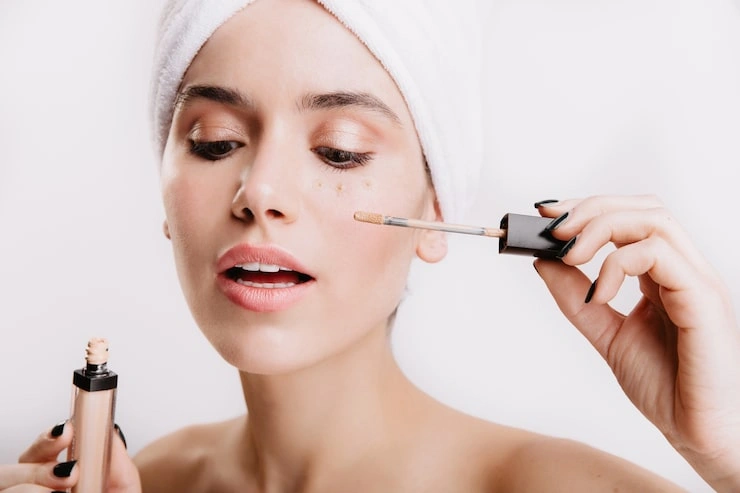
Skin changes as we age. This is normal. It happens to everyone. Understanding these changes helps you pick the right products.
Loss of Moisture
Older skin does not hold water the way young skin does. The outer layer gets thinner. Natural oils drop. This makes skin feel dry and tight. When you put on foundation, it can cling to dry patches. This makes your skin look flaky and uneven.
Fine Lines and Wrinkles
Lines form where your face moves. Around the eyes. Around the mouth. Across the forehead. These lines are deeper as skin loses stretchiness. Foundation can settle into these lines. This makes them look more noticeable, not less.
Loss of Firmness
Skin starts to sag. The jawline is not as sharp. The cheeks are not as full. Pores look bigger because skin loses support around them. A primer with blurring effects can help hide enlarged pores.
Uneven Skin Tone
Years of sun exposure leave marks. Hormones cause dark spots. Redness shows up from broken blood vessels. A good primer can even out these differences before you put on foundation.
Slower Skin Renewal
Young skin sheds dead cells quickly. Older skin does this slower. This means dead skin builds up. This makes the surface rough. Foundation sits badly on rough skin.
Read Also: Best Anti Aging Serums For Dry Skin
What A Primer Does For Mature Skin?
A primer is not just extra makeup. It is a tool. It solves specific problems.
Fills In Lines
Some primers have a silicone texture. This fills in fine lines like spackle fills a crack in a wall. The surface becomes flat. Foundation glides over instead of sinking in.
Holds Moisture
Hydrating primers put water back into the outer layer of skin. This plumps the skin up. Plump skin has less noticeable lines. Makeup looks fresh, not dry.
Stops Slipping
As skin loses firmness, it moves more. Foundation moves with it. A primer with grip holds foundation in place. Your makeup stays where you put it.
Blurs Imperfections
Some primers have light-reflecting particles. These scatter light. This makes pores and lines look softer. It is not a cover-up. It is a trick of the light.
Creates A Shield
Primer acts as a barrier between your skin and your foundation. This stops the foundation from soaking into your skin. It also stops pigments from staining your skin.
Ingredients To Look For
Not all primers are the same. Some are made for oily young skin. They will dry you out. Look for these ingredients instead.
Hyaluronic Acid
This is a moisture magnet. It pulls water from the air and holds it in your skin. One gram of hyaluronic acid can hold six litres of water. This gives you plump, bouncy skin. Fine lines look smaller.
Glycerin
This is a humectant. It draws moisture to the outer layer of skin. It is safe and works well. Many hydrating primers use glycerin as their main ingredient.
Vitamin E
This is an antioxidant. It protects skin from damage. It also soothes irritation. Dry, sensitive skin likes vitamin E.
Vitamin C
This brightens skin. It fades dark spots over time. It also helps make collagen. Collagen gives skin firmness. A primer with vitamin C does double duty.
Niacinamide
This is vitamin B3. It calms redness. It shrinks the look of pores. It also helps skin hold moisture. Many mature skin primers use this ingredient.
Peptides
These are small pieces of protein. They signal skin to make more collagen. Over time, they help with firmness. Primers with peptides treat your skin while you wear makeup.
Squalane
This is an oil that feels like your skin's own oil. It softens without being greasy. It is lightweight and does not clog pores.
Ceramides
These are fats that hold skin cells together. They keep moisture in and irritants out. Skin loses ceramides with age. Putting them back helps your skin barrier.
Ingredients To Avoid
Some ingredients work against mature skin. Read labels carefully. Stay away from these.
Alcohol Denat
This is drying alcohol. It gives a quick matte finish. But it sucks moisture out of skin. Over time, it makes lines deeper. Avoid primers that list alcohol near the top.
Heavy Fragrance
Fragrance irritates mature skin. It can cause redness and flaking. Choose unscented or lightly scented products.
Drying Powders
Some primers use powders to soak up oil. Mature skin does not have much oil. These powders make skin look chalky and dry.
Plastic Microbeads
These used to be common in primers. They are bad for the environment and rough on skin. Most brands have stopped using them. Check ingredient lists to be safe.
Types Of Primers For Mature Skin
There are several kinds of primers. Each does a different job. You might need more than one.
Hydrating Primers
These are water-based. They put moisture into skin. They feel cooling and fresh. Use these if your skin is very dry. They work well under light foundations.
Silicone-Based Primers
These have dimethicone or similar ingredients. They feel silky. They fill lines and pores. Use these if you want a smooth finish. They work well under matte foundations.
Illuminating Primers
These have tiny shimmer particles. They catch the light. This makes skin glow. Use these if your skin looks dull. They give a fresh, awake look.
Colour-Correcting Primers
These have colour pigments. Green hides redness. Lavender brightens yellow tones. Peach covers dark spots. Use these if you have uneven skin tone.
Gripping Primers
These are sticky. They hold foundation like glue. Use these if your makeup slides off. They work well in hot weather.
How To Choose The Right Primer?
With so many choices, it can feel confusing. Ask yourself these questions.
What Is Your Skin Type?
Is your skin dry, normal, or combination? Dry skin needs a hydrating primer. Normal skin can use any type. Combination skin needs a balancing primer.
What Is Your Main Concern?
Lines? Choose silicone. Dullness? Choose illuminating. Redness? Choose colour-correcting. Dry patches? Choose hydrating.
What Foundation Do You Use?
Water-based foundation needs water-based primer. Silicone foundation needs silicone primer. Mixing types causes pilling. The product balls up on your face. This is a common mistake.
What Finish Do You Want?
Dewy finish? Use illuminating. Matte finish? Use pore-blurring. Natural finish? Use hydrating.
What Is Your Budget?
Good primers exist at every price. Drugstore brands work well. High-end brands have luxe textures. You do not need to spend a lot.
You May Also Like: Sensitive Skin Care Routine At Home
How To Apply Primer Correctly?
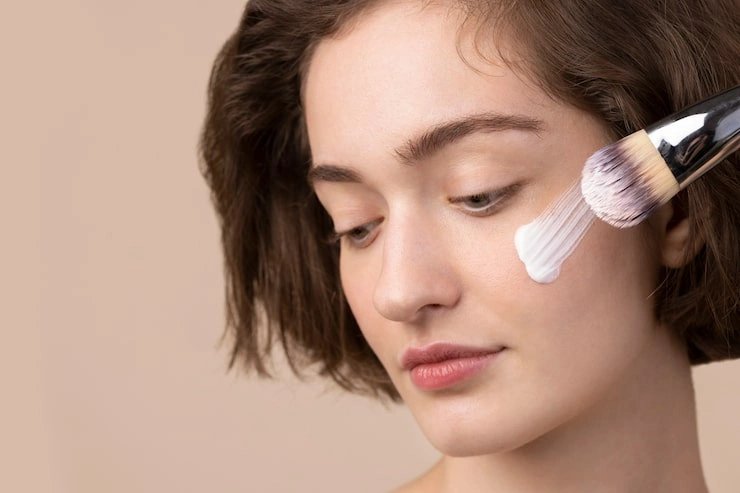
Putting on primer the right way makes all the difference. Follow these steps.
Start With Clean Skin
Wash your face gently. Use lukewarm water. Pat dry with a soft towel. Do not rub. This roughs up the outer layer.
Apply Skincare First
Put on your serum and moisturiser. Wait two minutes. Let them sink in. Primer goes on top of skincare, not on bare skin.
Use The Right Amount
Use a pea-sized amount for your whole face. More is not better. Too much primer pills. It also changes how foundation sits.
Apply With Fingers
Warm the primer between your fingers. Press it into your skin. Do not rub. Rubbing moves it around. Pressing pushes it into lines and pores.
Focus On Problem Areas
Put extra primer on lines, pores, and dry spots. Use less on smooth areas. This saves product and gives better results.
Let It Set
Wait two minutes before foundation. The primer needs to dry and grip. If you rush, your foundation will slip.
Layer If Needed
Some people use two primers. Hydrating all over. Pore-filling on the T-zone. This works well but takes more time.
The Best Primers For Mature Skin
Here are the top primers. We picked them for different needs. Read the reviews. Choose the one that matches you.
1. Best Overall – Smashbox Photo Finish Smooth & Blur Primer
This is a classic. It has been around for years. It uses silicone to fill lines and pores. The texture is silky but not heavy.
Why It Works
It blurs everything. Lines disappear. Pores vanish. Skin looks airbrushed. Makeup stays all day.
Who It Is For
This is for anyone with lines and large pores. It works on dry and normal skin.
Texture
Silky and lightweight.
Finish
Matte but not flat. It looks natural.
Price
Mid-range.
How To Use
Warm a pea-sized amount. Press into lines and pores. Wait two minutes. Apply foundation.
Drawbacks
Not for very dry skin. It can cling to flakes. Use a hydrating moisturiser underneath.
2. Best For Dry Skin – Laura Mercier Pure Canvas Hydrating Primer
This is a water-based primer. It puts moisture into skin. It does not have silicone.
Why It Works
It gives a drink of water to dry skin. Flakes disappear. Foundation sits smoothly. Skin looks plump and fresh.
Who It Is For
This is for dry and very dry skin. It is also good for sensitive skin.
Texture
Gel-like and cooling.
Finish
Dewy and fresh.
Price
High-end.
How To Use
Apply a pea-sized amount. Press into damp skin. Wait two minutes. Use water-based foundation.
Drawbacks
Does not fill deep lines. It hydrates but does not blur. Use a second primer on lines.
3. Best For Dull Skin – Charlotte Tilbury Hollywood Flawless Filter
This is a primer and highlighter in one. It has light-reflecting particles. It gives a lit-from-within glow.
Why It Works
It brightens dull skin. Dark spots look softer. Skin looks healthy and awake. It covers light imperfections.
Who It Is For
This is for skin that looks tired. It works for all skin types except very oily.
Texture
Smooth and lightweight.
Finish
Dewy with a glow.
Price
High-end.
How To Use
Apply all over or on high points. Use under foundation or alone. It works both ways.
Drawbacks
Does not control oil. Oily skin needs powder on top. It is also pricey.
4. Best For Redness – Erborian CC Red Correct
This is a colour-correcting primer. It has green pigments. They cancel out redness. It turns beige as you blend.
Why It Works
It takes away redness instantly. Skin looks even and calm. It has skincare ingredients too.
Who It Is For
This is for skin with rosacea or broken capillaries. It works for dry and normal skin.
Texture
Creamy and smooth.
Finish
Natural.
Price
Mid-range.
How To Use
Apply a small amount to red areas. Blend with fingers. It changes colour as you work.
Drawbacks
Not for all-over use. It only works where there is redness. Does not blur lines.
5. Best Budget – e.l.f. Power Grip Primer
This is a gripping primer. It is sticky. It holds makeup like tape. It costs very little.
Why It Works
It grips foundation. Makeup does not move. It is also hydrating. It has hyaluronic acid.
Who It Is For
This is for anyone whose makeup slips. It works for all best makeup primer for mature skin.
Texture
Gel-like and tacky.
Finish
Natural.
Price
Drugstore.
How To Use
Apply a thin layer. Press into skin. Wait until it feels tacky. Apply foundation.
Drawbacks
Sticky texture takes getting used to. It also pills if you use too much.
6. Best For Lines – Tatcha Silk Canvas Primer
This is a balm in a compact. It is solid. You warm it up and press it in.
Why It Works
It fills lines like a putty. Pores disappear. Skin looks like silk. It has skincare ingredients.
Who It Is For
This is for mature skin with deep lines. It works for dry and normal skin.
Texture
Solid balm that melts on skin.
Finish
Velvety and smooth.
Price
Luxury.
How To Use
Scrape a little with the spatula. Warm between fingers. Press into lines. Wait two minutes.
Drawbacks
It is expensive. The compact is small. You need very little, so it lasts.
7. Best Illuminating – L'Oreal Age Perfect Glow Primer
This has fine pearl particles. It catches the light. It also has vitamin E and omega oils.
Why It Works
It gives a soft glow. Skin looks fresh and young. It also moisturises.
Who It Is For
This is for dull, tired skin. It works for dry and normal skin.
Texture
Creamy with a sheen.
Finish
Glowy.
Price
Drugstore.
How To Use
Apply all over. Use a light hand. Too much makes you look shiny.
Drawbacks
Not for oily skin. The glow can look oily on T-zones. It also does not blur.
8. Best For Sensitive Skin – Clinique Redness Solutions Primer
This is for skin that reacts to everything. It is fragrance-free. It does not irritate.
Why It Works
It calms redness. It protects the skin barrier. Makeup sits smoothly.
Who It Is For
This is for sensitive and reactive skin. It works for dry and combination skin.
Texture
Lightweight and soothing.
Finish
Natural.
Price
Mid-range.
How To Use
Apply a small amount. Press into red areas. Use on clean, calm skin.
Drawbacks
Does not fill lines. It is a corrector, not a smoother.
Common Mistakes To Avoid
Many people use primer wrong. These mistakes ruin the effect.
Skipping Moisturiser
Primer is not moisturiser. It does not replace hydration. You need both. Put moisturiser on first. Let it sink in. Then use primer.
Using Too Much
A pea-sized amount is enough. More primer makes foundation slide. It also pills under your fingers.
Not Waiting
Primer needs time to dry. If you rush, it will not grip. Wait two minutes. Do your hair or brush your teeth.
Rubbing Instead Of Pressing
Rubbing moves primer around. It does not fill lines. Press it in. This pushes it into uneven spots.
Using The Wrong Foundation
Water primer with silicone foundation causes pilling. Match your base. Read the ingredient list.
Applying On Dirty Skin
Dirt and oil stop primer from working. Wash your face first. This gives a clean surface.
Seasonal Changes
Your primer needs change with the weather.
Winter
Skin gets drier in winter. Use a hydrating primer. Layer it over a rich cream. This stops flaking.
Summer
Humidity makes makeup slip. Use a gripping primer. It holds foundation in heat. You also need less hydrating product.
Spring And Autumn
These are transition seasons. Use a balanced primer. One that hydrates but also grips. This covers changing conditions.
How To Test A Primer?
Always test before you buy. Use these steps.
Ask For A Sample
Most beauty counters give samples. They put a small amount in a pot. Take it home. Use it for three days.
Test On Your Jawline
Do not test on your hand. Hand skin is different. Test on your jawline. This matches your face skin.
Check In Natural Light
Store lighting is flattering. Go outside. Look in a mirror. This shows the real effect.
Wear It For A Day
Leave the primer on all day. Check at lunch. Check in the evening. This shows if it lasts.
Feel Your Skin
Does your skin feel tight? Does it feel oily? Does it feel comfortable? Listen to your skin.
Read: Exploring The Trend Of Clean And Simple Nails
Primer And Other Products
Primer works with other products. Here is how.
Primer And Moisturiser
Moisturiser goes first. Primer goes second. Do not mix them. This stops both from working.
Primer And Sunscreen
Sunscreen goes before primer. Wait for sunscreen to dry. Then apply primer. This gives full protection.
Primer And Foundation
Apply primer, wait, then foundation. Use a sponge or brush. Fingers work too. Just do not rub.
Primer And Concealer
Put primer all over. Then apply concealer on spots. This helps concealer stay.
Primer And Powder
Use powder after foundation. This sets everything. Dust lightly. Do not press.
Frequently Asked Questions
Do I really need a primer?
You do not have to use one. But it helps. It makes a visible difference in how long makeup lasts and how smooth it looks.
Can I use primer without foundation?
Yes. Some primers look good alone. Illuminating primers give a glow. Colour-correcting primers even out skin.
How long does primer last?
Most primers last 12 to 18 months. Check the symbol on the package. It shows months after opening.
Can I use eye cream as primer?
Eye cream is too thick. It stops foundation from spreading. Use primer made for the face.
Is primer bad for mature skin?
No. The right primer helps mature skin. It makes makeup look better. Avoid drying primers with alcohol.
Can I mix primer with foundation?
Mixing changes both products. The grip lessens. The hydration drops. Use them in layers.
What if I have wrinkles and large pores?
You might need two primers. Put hydrating primer all over. Put pore-filling primer on cheeks and nose.
Should I use primer on my eyelids?
Yes. Use an eye primer. It stops eyeshadow from creasing. Eye primers are made for this area.
Final Tips
Here are the most important things to remember.
- Less is more. Use a small amount. Press it in. Let it dry.
- Read ingredients. Look for hyaluronic acid and glycerin. Avoid alcohol and heavy fragrance.
- Match your foundation. Water with water. Silicone with silicone. This stops pilling.
- Test before buying. Get samples. Try at home. Check in natural light.
- Change with seasons. Use more hydration in winter. Use more grip in summer.
- Be consistent. Use primer every day. Your makeup will look better. Your skin will feel better.
- Keep it clean. Wash your sponge and brushes. Dirty tools ruin your primer's work.
Conclusion
The best makeup primer for mature skin is the one that solves your specific problems. Dry skin needs hydration. Lines need filling. Dullness needs glow. Redness needs correction.
Do not settle for a primer that does not work. Your skin deserves better. Try different types. Find what feels good. Your makeup should make you look and feel your best.
The right primer is not expensive. It does not take extra time. It just takes the right choice. Start with one from our list. Press it in. Wait two minutes. Put on your foundation.
You will see the difference. Your skin will look smoother. Your makeup will stay longer. You will feel more confident.